
The practical takeaway
Start with the current watering rules and a sprinkler inspection. Brown patches are not always a reason to add water, and mowing and feeding should match your grass and its condition.
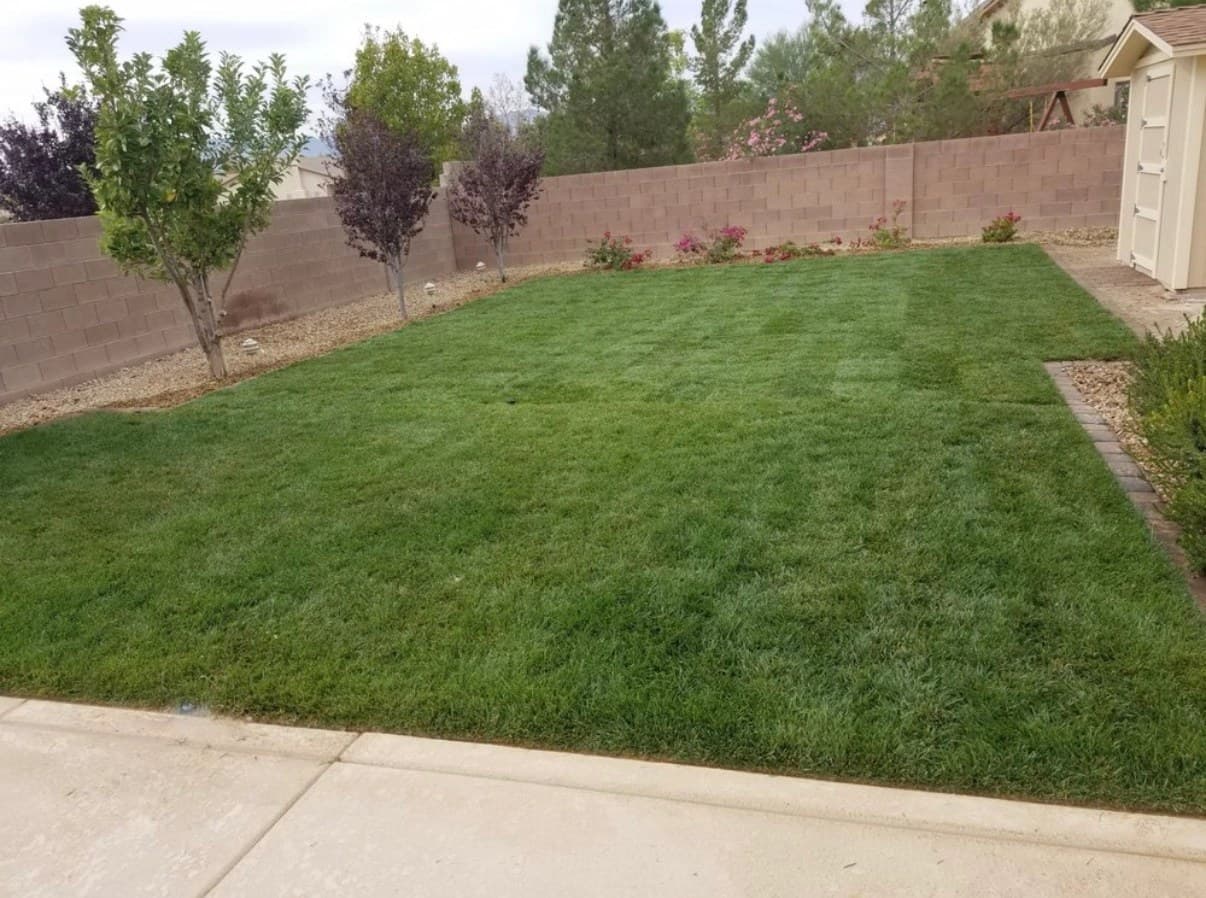
When a Las Vegas lawn starts looking tired in summer, it is tempting to run the sprinklers longer. Start by checking the watering rules and whether the system is working evenly. A controller change will not fix a broken head, a blocked spray pattern, or a leak.
This guide is for maintaining an existing lawn. Grass type, soil, shade, and the irrigation system all affect the right approach. Our lawn care and maintenance services can help build a plan around your yard rather than a schedule copied from another property.
Check the watering rules before changing the timer
SNWA’s guidance checked September 30, 2026 lists summer watering restrictions from May 1 through August 31: landscape irrigation is prohibited between 11 a.m. and 7 p.m., and Sunday watering is prohibited. Consult SNWA’s current watering guidance and your water provider for your address and season before setting the timer.
The maximum permitted frequency is not a prescription to water that often. Check how the lawn responds, and use the current season’s rules once summer ends. A timer left on its summer settings into fall can waste water even if it once seemed appropriate.
Inspect sprinkler coverage before adding water
Run each zone briefly while you watch it. Look for water landing on pavement, spray blocked by grass or plants, heads that do not rise correctly, and areas receiving much less coverage than their neighbors. Record which zone serves each dry patch so the problem can be checked systematically.
- A dry strip beside an otherwise green lawn: inspect head alignment and whether spray reaches the edge.
- One persistently wet spot: look for leaks or pooling before adding more run time.
- Water reaching the sidewalk early in a cycle: check spray direction and runoff.
- A pattern that follows a sprinkler zone: compare that zone’s settings and equipment with the others.
These clues guide inspection; they are not a diagnosis from appearance alone. If repairs are needed, our sprinkler and irrigation services cover leak checks, head replacement, and seasonal adjustments.
Use cycle-and-soak where runoff is a problem
SNWA recommends three four-minute sprinkler cycles as a starting approach for its desert-soil guidance, rather than one uninterrupted twelve-minute run. Check the current SNWA instructions, allow soak time, and adapt the settings to your equipment and soil. This is a starting method, not a universal run time for every nozzle or lawn.
On your controller, check both start times and run times. Extra start times can repeat a whole program when you intended to run just one zone. After making a change, observe a complete watering cycle and confirm the system stops when expected.
Keep trees and shrub beds on an appropriate separate watering plan. Their drip system should not inherit a lawn’s sprinkler program simply because the equipment shares one controller.
Match mowing to the grass and its growth
Identify your grass before choosing a mowing height. Avoid treating every lawn as if it should be cut as short as a putting green. University of Nevada, Reno Extension advises keeping blades sharp and avoiding removal of more than one-third of the grass blade in one mowing. Adjust the interval to growth rather than forcing the same cut every week.
If you have missed a mowing, lower the height gradually over multiple cuts instead of taking off a large amount at once. Inspect the mower setting on a level surface. Torn tips and uneven cutting can make a lawn look worse even when the watering system is functioning.
Do not use fertilizer as a first response to stress
A stressed lawn needs a cause identified before a product is applied. Check moisture, sprinkler performance, recent mowing, and traffic patterns first. If feeding is appropriate, select the product and timing for the grass type and follow its label; a dark green color is not the only measure of a healthy lawn.
Aeration can be part of a maintenance plan, but schedule it for the grass and site rather than adding it automatically during the hottest week. Discuss persistent compaction, thinning, or recurring patches with a lawn professional. Avoid stacking several treatments at once, which makes it harder to tell what helped or caused a new problem.
A simple weekly lawn check
- Confirm the controller uses the current season’s permitted days and hours.
- Observe the sprinkler zones and check for broken heads, blocked spray, leaks, and runoff.
- Photograph recurring dry patches from the same position to see whether they are spreading.
- Inspect mower blades and choose the cutting interval based on actual growth.
- Write down controller and maintenance changes so you can assess their effect.
If the lawn takes more maintenance than the area is worth to you, consider reducing its size as part of a desert landscape redesign. A paver sitting area may better serve a corner used for furniture, while plants can define the surrounding space.
Common summer lawn care questions
Should I water every day in summer?
Not as an automatic rule. Follow the permitted schedule for your address, then assess your lawn and system. Allowed watering days set a limit; your grass and site determine what is needed within that limit.
Does a brown patch mean the lawn needs more water?
It can, but appearance alone is not enough. Check whether water reaches the patch, whether nearby soil stays wet, and whether mowing or foot traffic matches the damaged area. Increasing the whole yard’s watering can leave the original problem unresolved.
When should I ask for help?
Arrange an inspection for recurring dry spots, unexplained pooling, visible leaks, or a controller you cannot confidently set. Contact Transformers Landscaping to discuss maintenance in the Las Vegas Valley.
Sources and further reading
Technical and local guidance consulted for this update on September 30, 2026. Check the linked authority for current requirements.
Talk through your project
Call to discuss your yard, maintenance needs, or a free project estimate.
Related guides for your yard
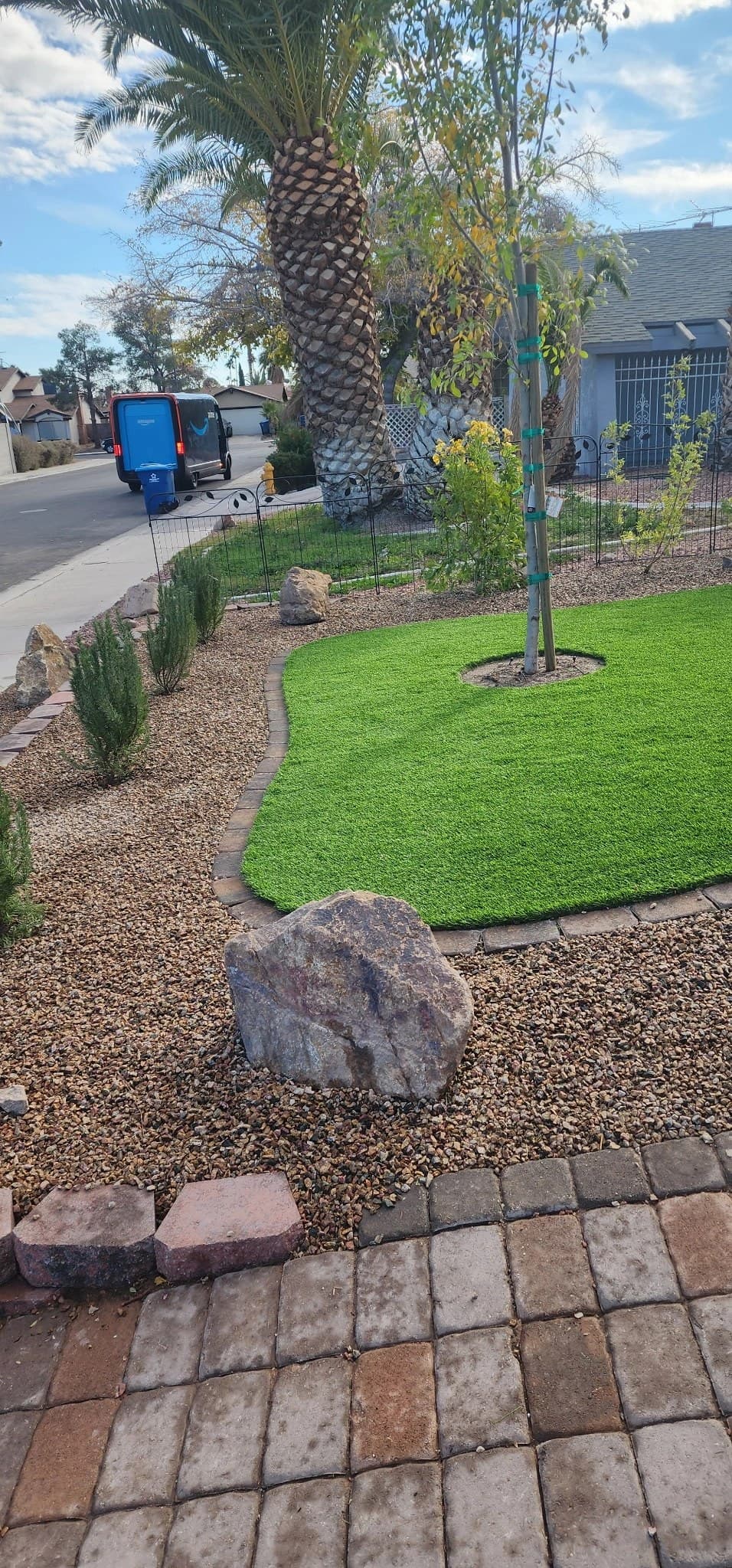
Desert Landscaping Ideas for Las Vegas Yards
Plan a water-smart Las Vegas yard with useful shade, well-placed plants, efficient irrigation, and materials that fit how you use the space.
Read the guide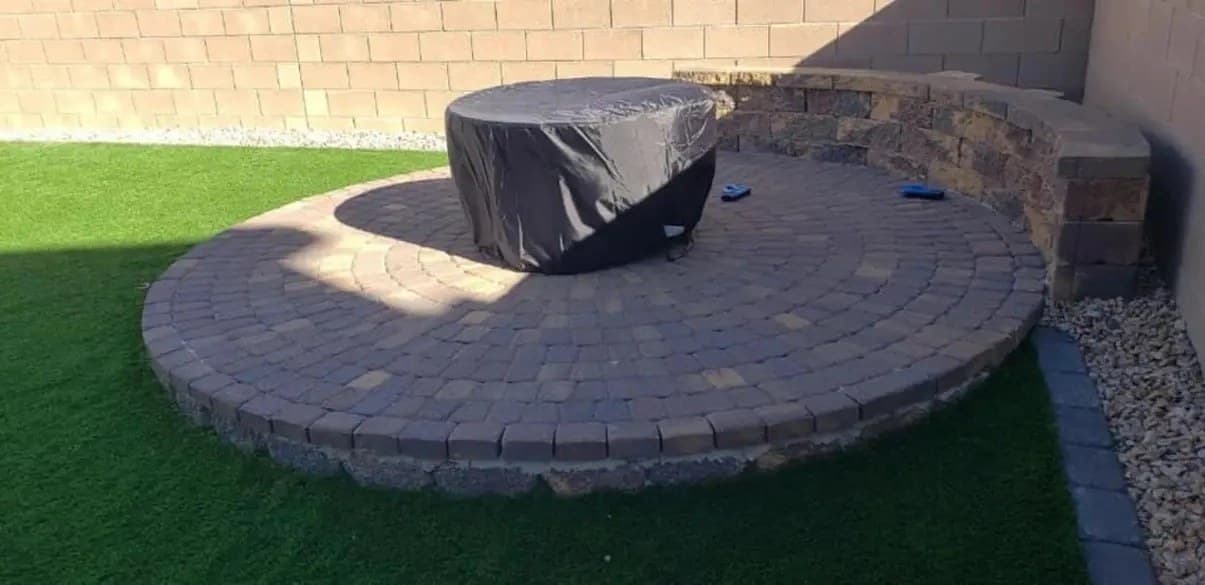
Paver Patios in Las Vegas: Benefits and Planning
Compare pavers with concrete and plan a Las Vegas patio around drainage, shade, access, installation quality, and future maintenance.
Read the guide